
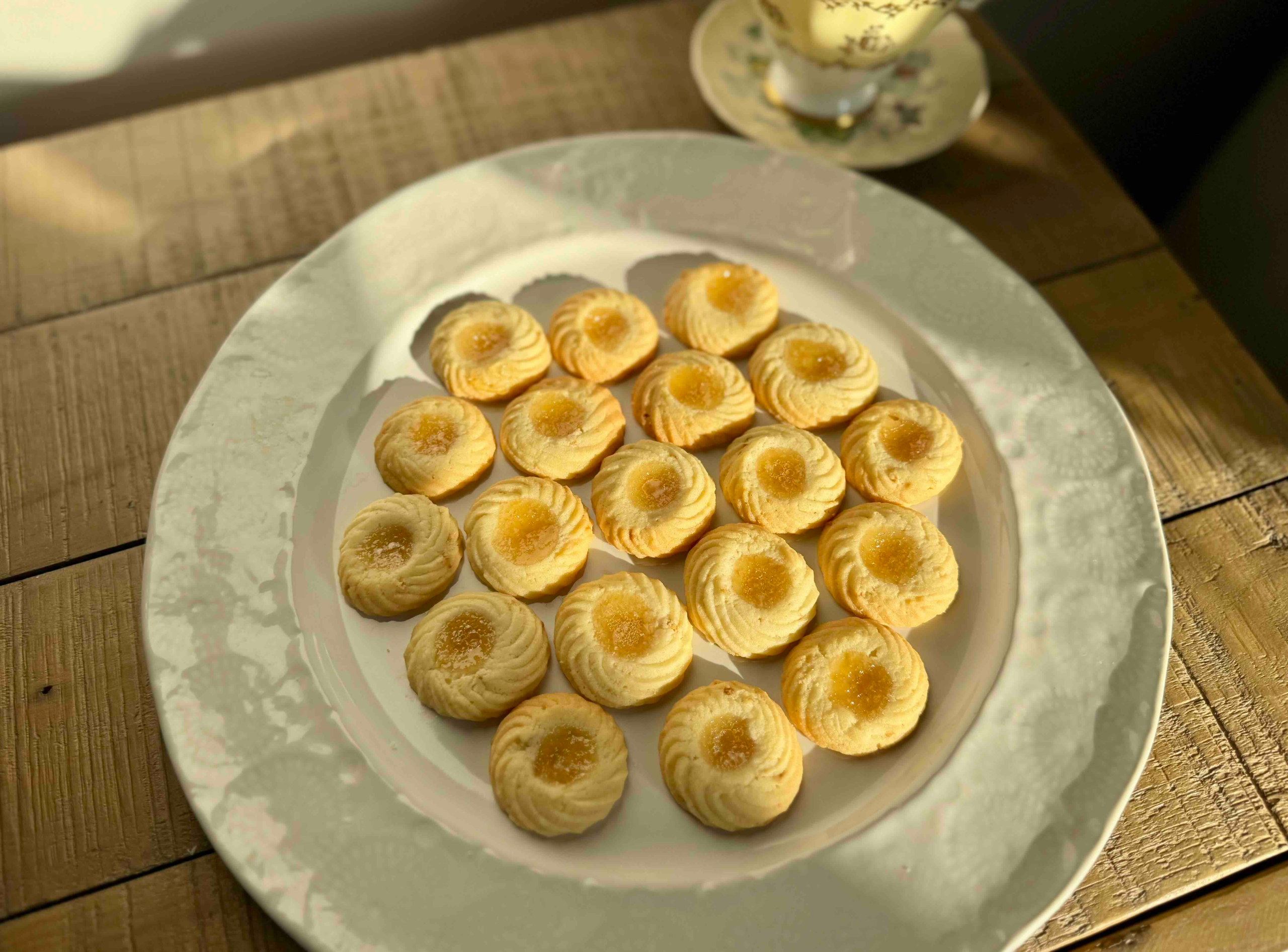
If you are looking for a Yuzu Piping Cookie recipe that doesn’t require a rolling pin or hours of chilling, you have come to the right place. There is a specific kind of magic in a dough that is immediate, elegant, and—perhaps most importantly—the perfect teacher for any pastry enthusiast.

The Benefits of Making This Yuzu Piping Cookie
In the professional pastry world, time is often our greatest challenge. We spend our days waiting for doughs to rest, for chocolates to temper, and for batters to chill. But the Yuzu Piping Cookie is different—it is a recipe of immediacy and elegance.
If you are looking for a high-impact dessert with minimal resistance, here is why this technique is a staple in my repertoire:

- No Waiting Game: Unlike shortbread or traditional sugar cookies, there is no need to rest this dough in the fridge for hours. You mix, you pipe, and you bake. It’s the perfect “instant gratification” project for a busy kitchen.
- Minimal Equipment: You can retire the rolling pin and forget the clutter of various cookie cutters. All you need is one quality piping tip—I’m using the Ateco 864 today—to create a consistent, professional look that suggests hours of work.
- The Ultimate Training Tool: This recipe is more than just a treat; it’s a masterclass in hand control.
A Lesson from the Hotel Kitchen
I still vividly remember being 19 years old, working in a busy hotel kitchen. My mentor had me piping chocolate cookies for hours on end. We would use a standard star tip to create delicate rose shapes, focusing entirely on consistency. It was my first real lesson in “muscle memory”—ensuring that the first cookie on the tray looked identical to the fiftieth.
The best part about practicing with this dough? It is incredibly forgiving. If you aren’t happy with a shape you’ve piped, you can simply scrape it up, put it back in the bag, and try again.
A Chef’s Warning: While you can re-pipe, try not to handle the dough too many times. The heat from your hands will eventually cause the butter to soften too much or the oil to separate, which ruins that delicate snap we are looking for.
Choosing the Best Flavor for Your Yuzu Piping Cookie


One of the most common questions is when to use yuzu juice versus yuzu oil. In professional pastry, it all comes down to moisture management.
- When to use Juice: For “water-friendly” recipes like cake batters, mousses, or gelatos, juice provides that sharp, acidic punch.
- When to use Oil: For recipes sensitive to moisture—like this piping cookie or a delicate chocolate ganache—I reach for Kinjirushi Yuzu Oil. It allows you to add an intense floral fragrance without breaking the emulsion or ruining the crisp texture.
Chef’s Preservation Tip: If you find fresh yuzu, zest it immediately and squeeze the juice. Freeze them separately in small portions; they will stay vibrant for up to three months!
Once you have your yuzu juice and zest prepped in the freezer, you’ll have everything you need for my favorite Yuzu Pound Cake. It’s a great way to use those preserved flavors in a moist, buttery cake.

Preparation

- Yuzu Zest: Finely chop the zest until it is almost a paste. If the pieces are too large, they will clog the piping tip and ruin the clean, sharp “strokes” of your flower or rose shapes.
- Sift the Flour: Ensure your flour is sifted to remove any lumps for a perfectly smooth batter.
- Note: I prefer Pastry Flour for the most delicate crumb, but Cake Flour or All-Purpose (AP) Flour will also work well
- Note: I prefer Pastry Flour for the most delicate crumb, but Cake Flour or All-Purpose (AP) Flour will also work well
- Yuzu jelly


Ideally, we’d use fresh jam, but Yuzu Cha (Korean yuzu tea) or Yuzu Spread (like Kuze Fuku & Sons) works beautifully with this method:
- Combine & Heat: Mix 100g of yuzu cha with 10ml (2 tsp) of water. Microwave for 1 minute.
- Strain: Pass the mixture through a fine-mesh sieve.
- Pro Tip: Don’t throw away those leftover peels! Keep the strained yuzu skin to fold into a pound cake batter, stir into morning yogurt, or top a bowl of oatmeal. It’s too flavorful to waste.
- Thicken: Microwave the strained liquid for one more minute.
- The Cold Spoon Test: Dip a cold spoon into the jelly. If you can draw a clean line through it with your finger and the line stays, it’s ready.
Yuzu Piping Cookies
Yields: Approx. 30–40 small cookies
Ingredients

- Unsalted Butter (Room Temp): 135g | 10 Tbsp (1 stick + 2 Tbsp)
- Powdered Sugar: 90g | 3/4 cup
- Whole Egg (Room Temp): 38g | Approx. 2 ½ Tbsp (whisked)
- Yuzu Oil: 15g | 1 Tbsp
- Pastry Flour (Sifted): 195g | 1 ⅔ cups
- Yuzu Zest (Finely Chopped): 15g | Approx. 2 ½ Tbsp
- Yuzu Jelly: Prepared as described above
Instructions


- Cream & Emulsify
Using a stand mixer with a paddle attachment, cream the room-temperature butter and powdered sugar until the mixture is light and fluffy. Mix in the yuzu oil. Gradually add the whisked egg in 2–3 additions, beating well after each to ensure a stable emulsion.
No Stand Mixer? Don’t worry! You can do this by hand with a spatula. It takes a little more “manual labor” to ensure the egg and butter fully emulsify, but they will combine eventually. - Fold
Mix in the finely chopped yuzu zest. Switch to a spatula and gently fold in the sifted flour until just combined. Do not overmix. - Pipe
Secure your parchment paper by placing small dots of dough on each corner of the baking sheet—this prevents the paper from lifting in the oven. Transfer the dough to a piping bag. Pipe small circles, “rose” shapes, or any decorative design you prefer. - First Bake (8 Minutes)
Bake at 150°C (300°F) for 8 minutes. - The Dent & Fill
Remove the tray from the oven. Working quickly while the cookies are still hot, use a small, oiled spoon to press a “well” or dent into the center of each cookie.
Chef’s Note: You must do this while they are soft. If the cookies cool down even slightly, they will crack when you try to press them. Immediately pipe a small amount of your yuzu jelly into each dent. - Final Set (2 Minutes)
Return the tray to the oven for a final 2 minutes. Keep a close watch—you want the jelly to set, but you don’t want it to overcook and become hard or “candy-like.” - Cool
Let the cookies cool completely on the tray.
The Finished Variety


Here, I’ve used a variety of tips—including closed star piping tips—to show how easily you can change the look of your Yuzu Piping Cookie. Notice how the closed star creates deeper, bolder ridges that feel very classic. In contrast, the fine star tips create more delicate, elegant strokes. It all depends on your personal style, but I hope this comparison helps you choose the perfect look for your bake!

The tools of the trade: A closed star piping tip (left) compared to the Ateco 864 fine star tip (right). The Ateco 864 has more “teeth,” which results in the delicate, fine-lined roses you see in my hero photo, while the closed star tip produces a more traditional flower shape.

If you enjoy the convenience of piped cookies, you should also try my Rice Flour Piping Cookie recipe—it’s a wonderful gluten-free alternative that holds its shape beautifully!

Yuzu Piping Cookies with Yuzu Jelly
Ingredients
For the Cookie Dough
- 135 g Unsalted Butter Room Temp
- 90 g Powdered Sugar
- 38 g Whole Egg Room Temp, whisked
- 15 g Kinjirushi Yuzu Oil
- 195 g Pastry Flour Sifted
- 15 g Yuzu Zest Finely Chopped
For the Quick Yuzu Jelly
- 100 g Yuzu Cha or Yuzu Spread
- 10 ml Water
Instructions
Prepare the Quick Yuzu Jelly
- Combine & Heat: Mix 100g of yuzu cha with 10ml of water in a microwave-safe bowl. Microwave for 1 minute.

- Strain: Pass the hot mixture through a fine-mesh sieve into a clean bowl. Chef’s Note: Save the leftover peels to stir into yogurt or a pound cake later!

- Thicken: Microwave the strained liquid for 1 more minute.

- Test: Dip a frozen spoon into the jelly. If you can draw a clean line through it with your finger and it doesn’t run back together, it’s ready. Set aside to cool slightly.
Make and Bake the Cookies
- Cream: In a stand mixer fitted with a paddle attachment (or using a regular bowl and spatula by hand), cream the room-temperature butter and powdered sugar until light and fluffy.

- Emulsify: Mix in the yuzu oil. Gradually add the whisked egg in 2–3 small additions, beating well after each to keep the emulsion stable.

- Fold: Stir in the finely chopped yuzu zest, then gently fold in the sifted flour with a spatula until just combined. Do not overmix.

- Pipe: Securing your parchment paper with dots of dough on each corner of the baking sheet. Transfer the dough to a bag fitted with an Ateco 864 fine star tip or a closed star tip. Pipe small circles or “roses.”

- First Bake: Bake at 150°C (300°F) for 8 minutes.

- Dent & Fill: Remove from the oven. Working quickly while the cookies are hot and soft, use a small, oiled spoon to press a stable “well” into the center. Immediately pipe a small amount of your yuzu jelly into the dent.

- Final Set: Return to the oven for 2 minutes to set the jelly. Do not overbake, or the jelly will turn hard like candy.

- Cool: Allow them to cool completely on the tray to achieve a perfect, crisp Kitsune-iro (golden-brown) finish.

