
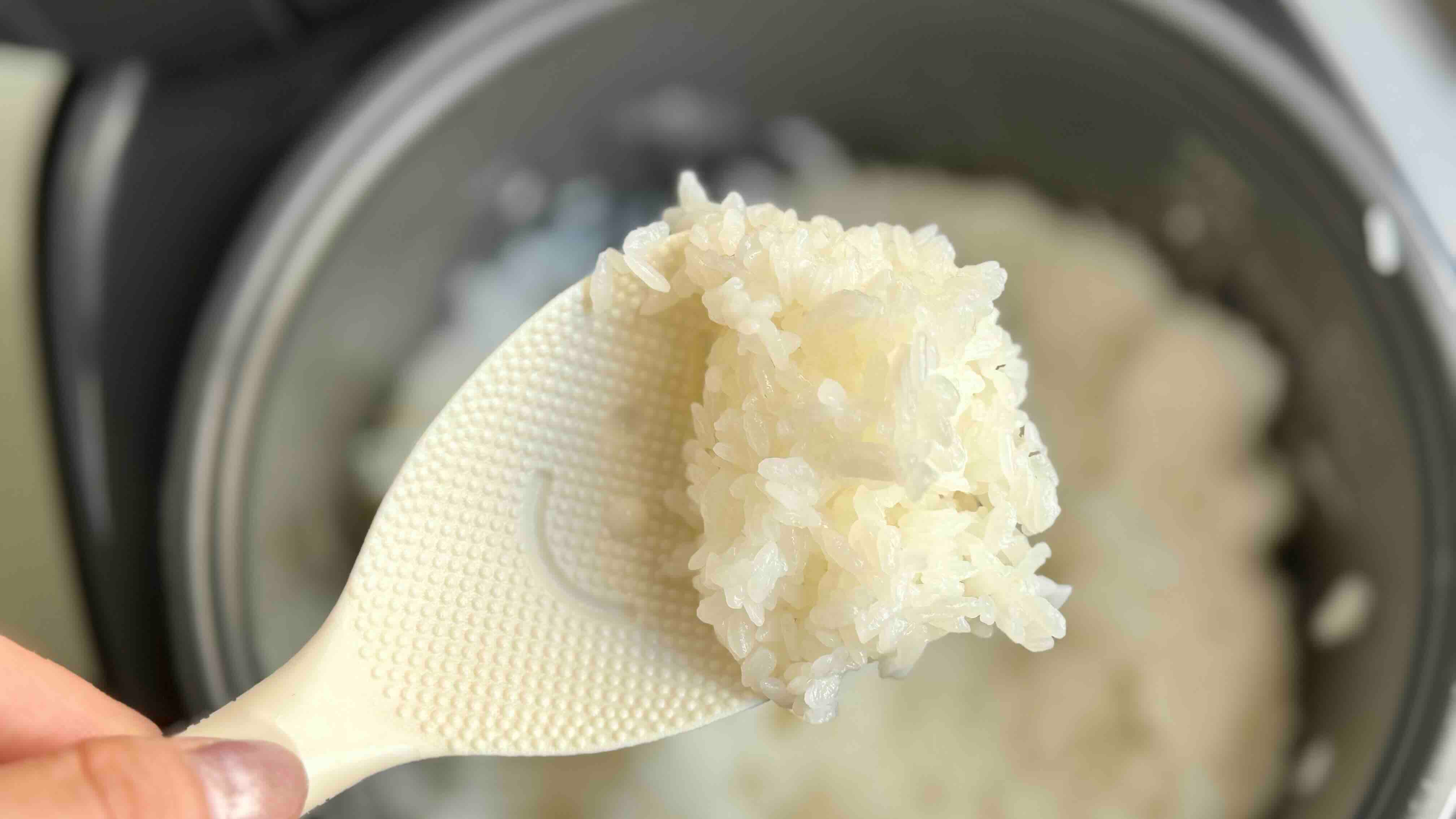
If you want to learn how to cook Japanese rice perfectly, you aren’t just learning a recipe—you are learning the heart of Japanese cuisine. Rice isn’t just a side dish for us; it is the center of the meal. I have been cooking it since I was seven years old, helping my working mom as one of my daily chores. Back then, like most people in Japan, I did it the standard way: scale the grains, rinse them in the bowl, fill the water right up to the black line inside the rice cooker, and press start.
It was good, comforting, and reliable. But as a professional chef, I’m always looking for ways to perfect a technique. Years ago, I learned a brilliant, precise approach inspired by a Japanese kaiseki chef that completely changed how I cook our daily staple at home.

Today, I’m sharing how to achieve that flawless, clear, and fragrant rice at home using two methods: an upgraded approach for your standard electric rice cooker, and a traditional method using a donabe (earthenware clay pot).
The Perfect Ingredients

Before we dive into the technique, let’s talk about the rice itself. You can find decent Japanese short-grain rice at most local grocery stores in the US these days, which is wonderful for everyday cooking.
However, if you want to elevate your meal into something truly special, here are my top recommendations:
- The Fancy Treat: Yuki Tsubaki Rice (Uonuma Koshihikari). This is an extremely premium rice favored by professional chefs. It has an incredible natural sweetness and gloss, though it’s a bit too luxurious for my everyday dinner!
- The Fresh Choice: The Rice Factory NY. I love ordering from them because they mill the rice fresh after you place your order, and they offer a magnificent variety of Japanese grains.
The Essential Gear
Having the right tools makes a world of difference when you want to achieve that perfect texture. Here is a look inside my own kitchen at the gear I rely on:
The Trusty Electric Rice Cooker

For my everyday cooking, I use a Zojirushi rice cooker. Zojirushi is a classic Japanese brand for a reason—their heating technology is incredibly precise.
I also highly recommend premium Korean rice cookers. My sister uses a rice cooker from Cuckoo, and the rice it makes tastes absolutely amazing as well! Whether you choose a Japanese or Korean brand, having a high-quality machine ensures the heat distributes perfectly, even when we are bypassing the standard settings to use the “Quick-Cook” mode for this chef’s technique.
The Rice Cooking Donabe (Clay Pot)

When I want a truly traditional, deeply flavorful batch of rice, I reach for a clay pot specifically designed for cooking rice. These are deeper than your standard hot pot donabe, which keeps the water from boiling over. For a single person or small households, I highly recommend the Iga Banko Earthenware Rice Cooking Pot (3 Cup) from MTC Kitchen. If you have friends over often or a larger family, the elegant Inaho Rice Pot is another gorgeous, highly popular choice.
The Rice Measuring Cup (Gou)
In Japan, rice is traditionally measured in a unit called gou (合), which equals 180ml. The plastic measuring cup that comes inside your rice cooker box is exactly 1 cup (1合). Keep a close eye on this cup! It is smaller than a standard US measuring cup (which is 240ml). If you lose it, don’t worry—you can always use a digital kitchen scale to measure exactly 150g of uncooked rice per gou.
The Shamoji (Rice Paddle)
Never use a metal spoon to scoop your Japanese rice! A proper plastic or wooden shamoji is designed with a wide, flat surface to gently slice through the rice grains rather than smashing them.
This is crucial for the final step when we fluff the rice to let the excess steam escape without breaking the delicate, glossy coating of the grains.
The Master Ratios

| Rice Amount | Water Amount (Rice Cooker Quick-Mode) | Water Amount (Donabe Method) |
| 2 Cups (approx. 300g) | 300cc – 330cc | Follow pot guidelines (approx. 330 cc – 350cc) |
| 1 Cup (approx. 150g) | 150cc – 165cc | 165cc – 175cc |
Note: While you can use a standard rice measuring cup, using a digital kitchen scale to measure exactly 300g for two cups will give you the most accurate and ideal results.
Method 1: How to Cook Japanese Rice in an Electric Rice Cooker
The secret to this method lies in separating the hydration process from the cooking process. By using the “Quick Cook” (早炊き – Hayadaki) mode on your machine, you control exactly how the rice absorbs water, resulting in a remarkably clear, clean flavor with a subtle sweetness.
Step 1: Gentle Rinsing

Place your measured rice in a bowl and pour in plenty of water. Swirl and rinse the grains gently 2 to 3 times, changing the water each time.
- Pro-Tip: The Japanese word for washing rice is togu (which historically meant to sharpen or polish), but modern rice requires a very gentle touch. Rough handling will crack the grains. Also, don’t panic and rush to dump the first pour of water; rice is not a sponge and won’t instantly absorb the cloudy water.
Step 2: The 15-Minute Soak

Keep the washed rice in the bowl, submerge it in fresh water (not part of the cooking measurement), and let it sit for 15 minutes.
Step 3: The 15-Minute Strain (Zaru-age)

Pour the rice into a mesh strainer (zaru) and let it drain completely for another 15 minutes.
- Why this matters: During this time, the residual water clinging to the surface continues to be absorbed evenly into the core of the grain. If you leave rice submerged in water for too long, the surface starches begin to break down and become mushy. The 15-minute soak + 15-minute strain balance is the ultimate chef secret for perfect texture.
Step 4: The Fast Cook

Transfer your perfectly hydrated rice into the rice cooker bowl. Add 300cc to 330cc of fresh water (for 2 cups of rice). Because the rice is already fully hydrated, you need less water than the standard line in the cooker. Adjust slightly within this range depending on whether you prefer your rice firmer or softer.
Before closing the lid, use your clean hand or a spatula to gently flatten the rice so it sits in a completely even layer at the bottom of the bowl. This ensures every grain cooks evenly.
Select the “Quick Cook” or “Fast” mode on your machine. It should finish beautifully in about 20 to 30 minutes.
Step 5: The Finish & Fluff

As soon as the timer goes off, gently fluff the rice from the bottom with a shamoji (rice paddle) to let excess steam escape, then turn off the machine completely.
Method 2: How to Cook Japanese Rice in a Donabe (Clay Pot Method)

Cooking in an earthenware donabe creates incredible depth of flavor and beautiful even heating. For this, I love using a deeper earthenware pot specifically designed for rice, like the Iga Banko Earthenware Rice Cooking Pot (3-Cup) from MTC Kitchen, or the elegant Inaho Rice Pot. They are perfectly sized and incredibly popular among home cooks and professionals alike.
Step 1: Prep the Rice

Follow Steps 1 through 3 from the rice cooker method above (Gentle rinse, 15-minute soak, and 15-minute strain).
Step 2: Combine in the Donabe

Transfer the hydrated, strained rice into your rice cooking donabe (like the Iga Banko 3-cup pot). Add 330cc to 350cc of fresh water. (Because the rice has already fully absorbed water during the soaking phase, we use less cooking water to ensure a perfectly firm, glossy texture). Gently flatten the rice by hand or with a spatula so it is perfectly level before you begin cooking.
Step 3: Cook on the Flame

Place the covered donabe over a gas stovetop on medium-high heat and cook for 13 to 15 minutes.
Step 4: The Rest

Turn off the heat entirely. Do not open the lid. Let the pot sit undisturbed on the counter for 10 to 20 minutes to finish steaming in its own residual heat. Remove the lid, fluff with your paddle, and serve!
Chef’s Note on Storage: Ditch the “Keep Warm” Button

If you aren’t eating the rice immediately, do not leave it inside the rice cooker on the “Keep Warm” setting. The constant heat will continue to cook the rice, drying it out, turning it yellow, and ruining the delicate aroma.
Instead, transfer the hot rice onto a flat tray or baking sheet and cover it with a clean, damp cloth to retain the moisture. When you’re ready to eat later, simply portion it into a bowl and reheat it in the microwave—it will spring right back to life with its beautiful texture and fragrance intact!
💡 FAQ: “What if I don’t have a rice cooker or a donabe?”
Can you cook perfect Japanese rice in a regular kitchen pot? Yes, absolutely!
If you don’t have an electric rice cooker or a clay donabe, you can use a regular stovetop pot. The secret is choosing the right kind of pot. You want something with a heavy bottom and a tight-fitting lid—a cast-iron Dutch oven (like a Le Creuset) or a heavy-duty stainless steel pot works perfectly.
If you’re feeling adventurous or heading outdoors, you can even use a traditional Japanese Hango (飯盒), which is a kidney-shaped camping rice cooker designed for open flames. I’ve used them on camping trips, and the rice comes out incredibly delicious!
Here is how to adapt the chef’s method for a regular heavy pot or Dutch oven:
Method 3: Stovetop Pot / Dutch Oven (Le Creuset Method)

- Prep the Rice Exactly the Same Way: Do not skip the 15-minute soak and 15-minute strain (zaru-age). This hydration step is what guarantees your rice will cook all the way to the core, even on a regular stovetop.
- The Ratio: Use the same ratio as the donabe method. For 2合 (300g) of rice, use about 330cc to 350cc of water. (Regular pots lose just a tiny bit more steam than a specialized rice cooker, so leaning toward 350cc is a safe bet).
- Bring to a Boil: Put the rice and water into your pot. Cover with the lid and place over medium heat (the flame should only touch the center bottom of the pot). Bring the water to a boil. (Chef’s Tip: If you aren’t sure if it’s boiling yet, it is completely okay to lift the lid quickly and peek inside!)
- Simmer Low and Slow: As soon as it reaches a full boil, immediately turn the heat down to low (a small flame that doesn’t touch the bottom of the pot) and let it simmer for 10 to 13 minutes.
- The Golden Rule: Do not lift the lid! Opening the lid lets the precious steam escape and drops the temperature, which will ruin the texture. Trust the process.
- Rest and Steam: After 15 minutes of simmering, turn off the heat completely. Leave the pot on the burner with the lid still securely on, and let it rest for 10 to 15 minutes to finish steaming.
Remove the lid, fluff with your paddle, and enjoy your perfectly cooked, glossy stovetop rice!
🥢 What to Make with Your Perfect Rice
Now that you know how to cook a flawless pot of Japanese rice, here are two delicious ways to elevate it into a full meal:
- For Sweet & Savory Summer Vibes: Try my Corn Rice with Charred Soy Sauce. The sweetness of the fresh corn pairs beautifully with the rich, smoky aroma of charred soy sauce. It is pure comfort food!
- For a Cheesy, Savory Snack: Turn your rice into a crispy treat with my Yaki Onigiri (Grilled Rice Balls with Black Pepper & Cheese). It features a brilliant modern twist on a traditional favorite.

How to Cook Perfect Japanese Rice
Ingredients
- 300 grams Japanese short-grain rice
- 330 ml water Adjust to 340ml for Donabe or 350ml for Le Creuset
Instructions
Phase 1 – The Chef's Hydration Method (Universal Step)
- Measure: Measure exactly 2 cups (2合) of short-grain rice using a digital kitchen scale (300g) or the plastic measuring cup that came with your rice cooker.

- Rinse: Gently rinse the rice in cold water, swirling with your hand. Pour off the cloudy water and repeat 2 to 3 times until the water runs mostly clear.

- Soak: Submerge the rinsed rice in fresh cold water and let it soak undisturbed for exactly 15 minutes.

- Strain (Zaru-age): Pour the rice into a mesh strainer to drain completely. Let it sit in the strainer for exactly 15 minutes to finish hydrating evenly.

Phase 2 : Option A: Electric Rice Cooker (Quick-Cook Mode)
- Transfer the fully hydrated, strained rice into your rice cooker inner bowl and add 300ml to 330ml of fresh water.

- Before closing the lid, use your clean hand or a spatula to gently flatten the rice so it sits in a completely level layer at the bottom.

- Close the lid and select the “Quick Cook” (早炊き – Hayadaki) or “Fast” mode. Let it cook completely (about 20–30 minutes).

Option B: Earthenware Clay Pot (Donabe)
- Transfer the hydrated, strained rice into your rice cooking donabe and add 330ml to 340ml of fresh water. Gently flatten the rice by hand so it is perfectly level.

- Place the covered donabe over a gas stovetop on medium-high heat and cook for 13 to 15 minutes.

- Turn off the heat and let it sit completely undisturbed with the lid on to steam for 10 to 20 minutes.

Option C: Stovetop Pot / Dutch Oven (Le Creuset)
- Place the hydrated, strained rice into your Le Creuset pot, add 330ml to 350ml of fresh water, and spread the grains out into a completely flat layer.

- Cover with the lid and place over medium heat (the flame should only touch the center bottom of the pot) to bring to a boil. (Chef’s Tip: If you aren’t sure if it’s boiling yet, it is completely okay to lift the lid quickly and peek inside!)
- As soon as it reaches a full boil, immediately turn the heat down to low and let it simmer for 10 to 13 minutes.
- Remove the pot completely from the heat source and let it sit undisturbed with the lid securely on for 10 to 15 minutes to finish steaming.
Phase 3 – The Final Touch
- Once steaming is finished, open the lid and use a wet shamoji (rice paddle) to gently fluff the rice using a slicing motion to let excess steam escape. Serve immediately while hot, glossy, and fragrant.

