
Growing up in Shizuoka, early spring picking for fresh Japanese strawberries (ichigo-gari) with my family was a cherished tradition. My local go-to spot was Ema Strawberry Picking Center. There, we would wander through warm greenhouses to pick 100% vine-ripened Japanese strawberries and dip them straight into sweet condensed milk (rennyu).
My absolute favorite variety is Akihime (章姫). In fact, it is an extraordinarily sweet, juicy berry with a delicate, melt-in-your-mouth texture. Because farm-fresh berries like these are picked at peak ripeness, they are very soft and tender. Consequently, growers cannot package or ship them to local grocery stores. Therefore, if you visit Japan between December and May, experiencing greenhouse strawberry picking is an absolute must!

In addition, Shizuoka has a rich strawberry legacy. For example, my home region produces famous varieties like Beni Hoppe and Kirapika. Furthermore, it is home to the historic stone-wall (ishigaki) strawberry coast along Route 150 dating back to 1904. Naturally, Tochigi has reigned as Japan’s #1 “Strawberry Kingdom” for over 50 years. Meanwhile, Fukuoka is legendary for giant Amaou berries. However, regional strawberry pride runs deep across the entire country.
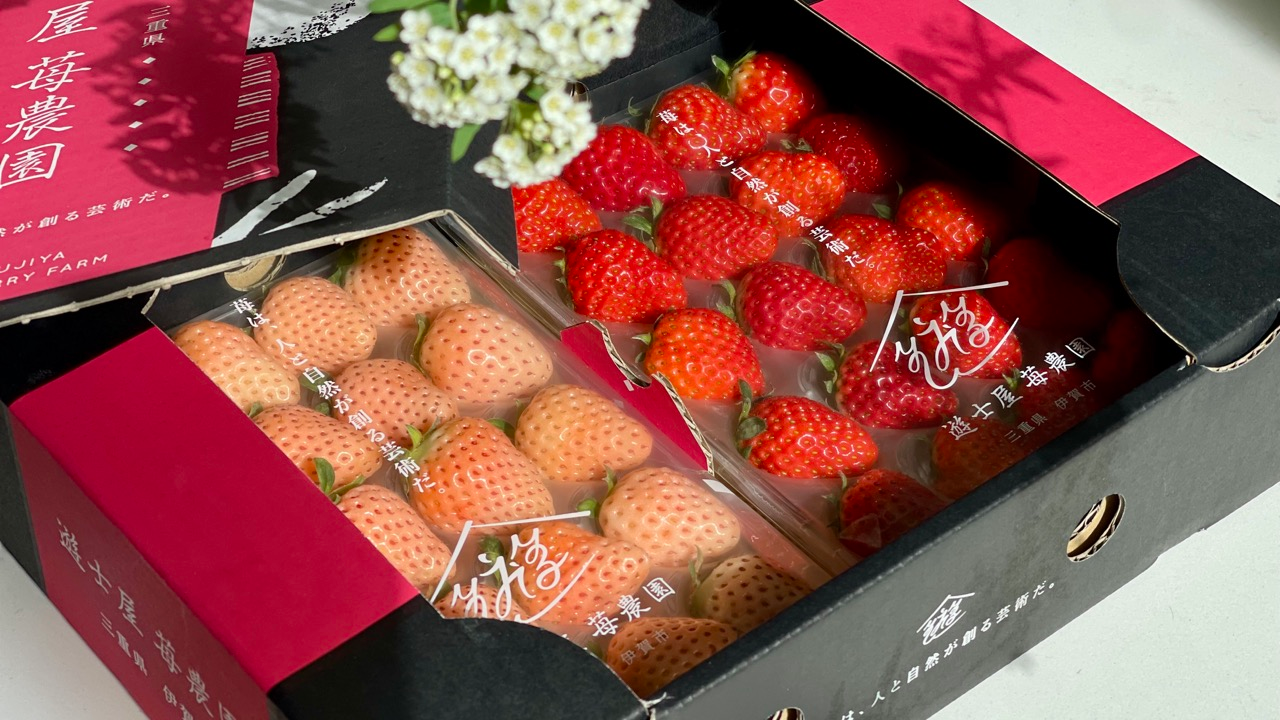
Over the past few decades, Japanese farmers have elevated strawberry cultivation to an art form. For instance, growers from Kumamoto (Yubeni) to Saitama (Amarin) create incredible new varieties. These range from snow-white strawberries (Hatsukoi no Kaori) to pale blush pink varieties. Additionally, dark ruby berries offer intense floral aromas.
In the past, these delicate strawberries were a luxury I could only taste when visiting home. Today, however, high-end Japanese-style strawberries are accessible in the U.S. This is thanks to innovations in vertical farming and specialty importing. As a result, using them in your baking instantly elevates your desserts like my Classic Japanese Strawberry Shortcake to true patisserie quality
Japanese vs. American Strawberries: What’s the Difference?

Have you ever wondered why Japanese strawberries taste so unique? Ultimately, it comes down to how and why they are grown. For instance, The New York Times reported that Japanese winter strawberries grow inside climate-controlled greenhouses. Consequently, farmers treat them like delicate confections rather than commodity produce.
| Feature | Japanese Strawberries | Standard American Strawberries |
| Flavor Profile | Extremely high sweetness (Brix count), low acidity, floral aroma | Balanced sweet-and-tart flavor with noticeable acidity |
| Texture | Tender, melt-in-your-mouth flesh with a soft outer skin | Firm, crisp texture built to hold up during shipping |
| Cultivation | Winter to early spring greenhouse growing with precision care | Field-grown during warmer seasons for mass production |
| Packaging | Individual foam nests or padded trays to prevent any bruising | Sturdy plastic clamshell containers |
Where to Buy Japanese Strawberries in the U.S.
1. U.S.-Grown Japanese Vertical Farms

Oishii: Founded by a Japanese entrepreneur who brought heritage Japanese strawberry varieties to vertical farms in the U.S. Their flagship Omakase Berry is exceptionally sweet and creamy, while the Koyo Berry offers a brighter, vibrant berry flavor. They are stocked at luxury grocers like Whole Foods, Wegmans, and online delivery apps in major metro areas.

Ikigai Fruits: A luxury importer that partners directly with Japanese master growers to air-ship premium Japanese fruit varieties—including white and pink strawberries—directly to your door in protective gift packaging.
2. Japanese & Asian Specialty Supermarkets

If you live near a major city, check the produce section of Japanese grocery stores during winter and early spring (December through April):
- Mogmog (Long Island City, NY): A charming Japanese grocery shop in LIC run by the team behind seafood wholesaler Kuroshio. They work directly with producers across Japan to import specialty items, and during strawberry season, they carry sweet, pristine Japanese greenhouse strawberries.
- Mitsuwa Marketplace (Locations nationwide)
- Katagiri & Sunrise Mart (New York)
- H Mart / Marukai / Nijiya Market: Look for imported Korean or Japanese greenhouse berries, which share a similarly sweet, tender texture profile.
Top U.S. Domestic Alternatives: What to Look For
However, if Japanese varieties are not available in your area, do not worry! In fact, you can find incredible domestic berries by looking for specific local markets or grower brands:

- Local Farmers’ Markets & Greenmarkets: First, visiting a local greenmarket in the summertime is the best way to find sun-ripened fruit. For example, at the Union Square Greenmarket in NYC, local vendors bring incredible summer harvests. If you are lucky, you might even find Mara des Bois strawberries from farms like Norwich Meadows Farm. Because these French berries combine wild and cultivated traits, they deliver an intense floral perfume and soft texture.
- Driscoll’s “Sweetest Batch” Strawberries: Additionally, for an accessible supermarket option, keep an eye out for Driscoll’s specialty “Sweetest Batch” line in cardboard berry boxes. In fact, these curated, high-Brix berries offer noticeably richer sweetness, extra juiciness, and a more vivid ruby color than standard grocery store clamshells.
- Harry’s Berries (California): Meanwhile, if you ask pastry chefs in New York or Los Angeles for their favorite berry, many will name Harry’s Berries (Gaviota variety). Grown in Oxnard, California, these field-ripened berries are famous for their candy-like sweetness.
- Florida Winter Strawberries (Plant City, FL): Similarly, Plant City is known as the winter strawberry capital of the U.S. They produce exceptional berries from December through March. For instance, varieties like Sweet Sensation feature lower acidity and a brilliant red luster.

My Favorite Strawberry Dessert Recipes
Once you have sourced your strawberries, put them center stage with these traditional Japanese recipes:


