
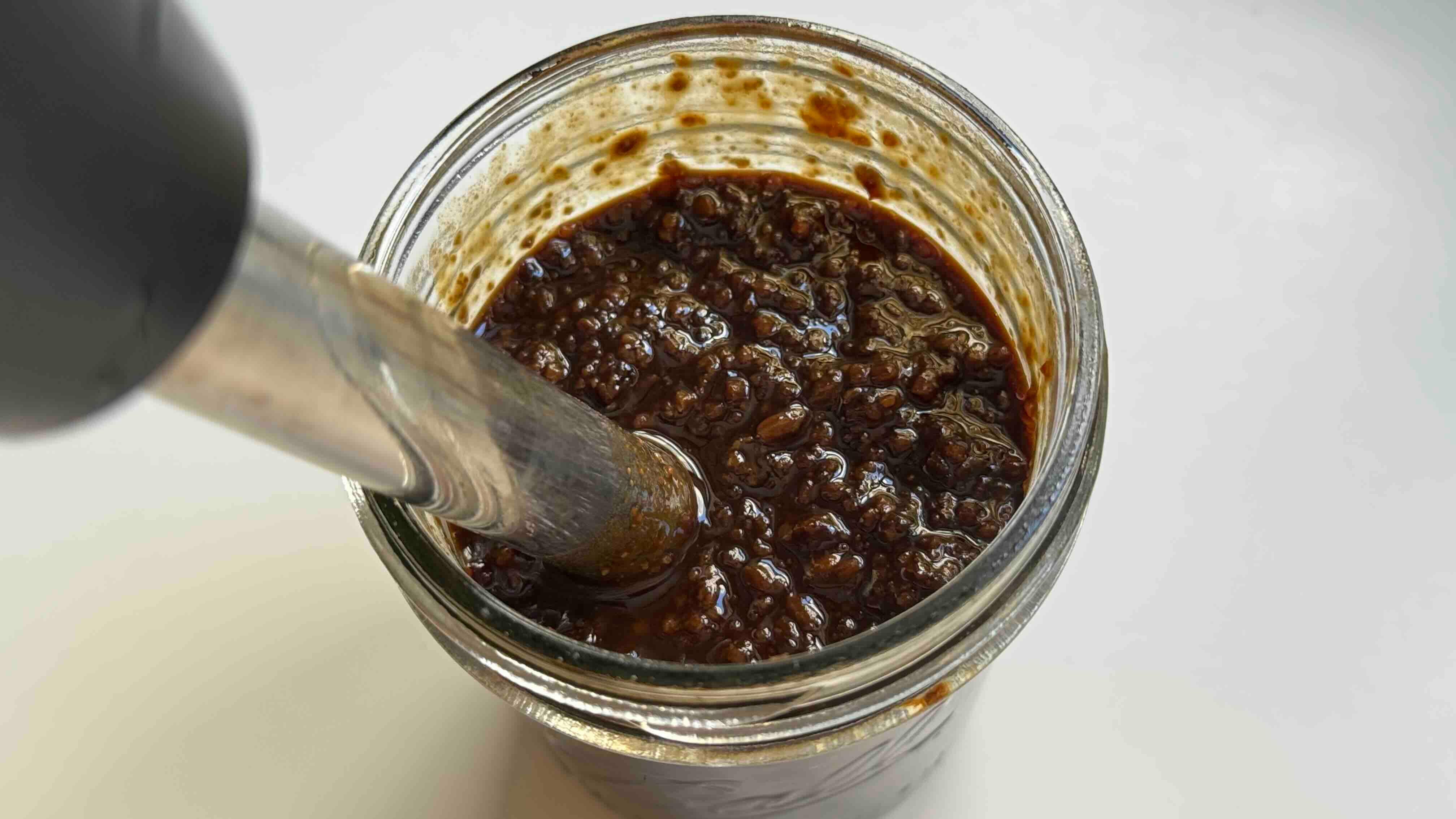
What is Shoyu Koji? Soy Sauce + Koji = Ultimate Umami
It goes without saying that Shoyu Koji is a powerhouse fermented seasoning. Literally a blend of soy sauce (shoyu) and rice koji, this mixture transforms ordinary soy sauce into something extraordinary by infusing it with deep umami, natural sweetness, a complex aroma, and a rich, thick texture.
You might already be familiar with Shio Koji (Salt Koji), another fantastic koji-based fermented seasoning. While both are incredible pantry staples, Shoyu Koji boasts a significantly higher amount of umami compounds and carries the full-bodied, savory character of traditional soy sauce.
👉 Be sure to also check out my Homemade Shio Koji Recipe Here!
Flavor & Aroma Profile

When it comes to flavor, umami is the undisputed star here. In fact, Shoyu Koji is said to contain up to 10 times the amount of glutamate (the source of umami) compared to Shio Koji.
While the rich flavor and aromatic depth of the original soy sauce remain front and center, the fermentation process beautifully rounds out the sharp saltiness. What you are left with is a much mellower, deeply savory flavor profile balanced by a subtle, natural sweetness. Combined with the complex fragrance derived from the koji, it delivers an incredibly sophisticated, well-rounded taste.
To make things easy for home fermenters, this recipe has been perfectly scaled to fit a standard 16 oz (approx. 470ml) glass jar, utilizing a mess-free bowl-mixing method that leaves just the right amount of headroom for easy stirring.
⏱️ Cook Time
- Active Prep Time: 5 minutes
- Fermentation Time: 1 to 2 weeks (at room temperature) or 6 to 8 hours (using a yogurt maker or oven)
🛒 Ingredients (Scaled for a 16 oz Jar)

- Rice Koji (Fresh or Dried): 160g
- Japanese Soy Sauce (Shoyu): * If using Fresh Koji: 240ml~
- If using Dried Koji: 300ml~ (Note: Opt for a traditional, naturally brewed “Honjozo” soy sauce with simple ingredients. Avoid low-sodium varieties, as their lower salt content can compromise the fermentation process and allow unwanted bacteria to multiply.)
- If using Dried Koji: 300ml~ (Note: Opt for a traditional, naturally brewed “Honjozo” soy sauce with simple ingredients. Avoid low-sodium varieties, as their lower salt content can compromise the fermentation process and allow unwanted bacteria to multiply.)
- Water (Optional): Approx. 1/4 cup (60ml), added mid-fermentation.
👩🍳 Step-by-Step Instructions

1. Sanitize Your Tools: Ensure your mixing bowl, 16 oz glass jar, and mixing spoons are completely clean. Sterilize them with boiling water or wipe thoroughly with food-grade alcohol, then let them air dry.

2. The Bowl Mix: In your sanitized mixing bowl, combine the 160g of rice koji and the soy sauce. Stir thoroughly to ensure every grain of koji is well submerged and evenly coated.

3. Transfer to Jar: Carefully pour the mixture into your clean 16 oz jar. (Mixing in a bowl first keeps the rim of your jar clean and prevents any messy spills!)

4. The Fermentation Process (Choose Your Method):
- 【Room Temperature Method】 Close the lid tightly and store the jar in a clean, dry, dark place. Let it ferment for 1 to 2 weeks (up to a month during cold winter months). Unlike some recipes, this slow-and-steady method doesn’t require daily stirring!
- 【Yogurt Maker Method (Fast Track)】 Set the temperature to 60°C (140°F) and set the timer for 6 hours. This optimal temperature coaxes maximum sweetness and umami out of the koji enzymes.
- 【Oven Method】 Use your oven’s proofing/fermentation function set to 55°C–60°C / 130°F–140°F (55°C/130°F is highly recommended if adjustable) and let it ferment for 6 to 8 hours. Stirring the mixture a few times throughout the process will help accelerate the fermentation.

5. Adjust the Texture (Optional): After one week of room-temperature fermentation (or immediately after a machine cycle), if you prefer a smoother, more pourable consistency rather than a thick, miso-like paste, stir in about 1/4 cup of water.

6. The Finishing Touch (Optional Smooth Paste): Once the fermentation is complete and the grains are soft, you can use a hand blender to blitz the shoyu koji into a perfectly smooth paste. This makes it incredibly easy to seamlessly whisk into salad dressings, marinades, and sauces!
💬 Shoyu Koji Quick Q&A

Q: How exactly should I use finished shoyu koji in my daily cooking?
A: Think of it as an upgraded, 1:1 replacement for regular soy sauce! It makes an incredible marinade for meat or fish; the natural enzymes break down proteins to make them unbelievably tender and juicy. When using it in simmered dishes (nimono), you’ll notice the koji adds a subtle, natural sweetness, allowing you to reduce the amount of added sugar or mirin. It’s also incredible raw—try spooning the smooth paste over chilled tofu (hiyayakko), mixing it into egg rice (tamago kake gohan), or whisking it into salad dressings.
Q: Can I freeze shoyu koji?
A: Yes, absolutely! If you don’t think you can use it all within 3 months in the fridge, transfer it to a freezer-safe bag or container and freeze it for up to 6 months. Because of the high salt content, shoyu koji won’t freeze rock-solid. It retains a scoopable, slushy consistency, so you can easily spoon out exactly what you need straight from the freezer without thawing!
Q: Should I use fresh koji or dried koji?
A: Both work beautifully, so feel free to use whatever is easier to find! Fresh koji blends seamlessly and offers a richer, traditional aroma. Dried koji is incredibly convenient because it has a much longer shelf life. Just keep in mind that dried koji absorbs more liquid, so be sure to follow the specific soy sauce measurements provided in the recipe!
Q: What kind of soy sauce works best?
A: Your everyday Japanese dark soy sauce (koikuchi shoyu) works perfectly. For the best flavor, choose a traditional, naturally brewed soy sauce (Honjozo) with minimal ingredients—this really allows the natural sweetness and aroma of the koji to shine. Avoid low-sodium soy sauce, as its lower salt concentration can disrupt the fermentation process and allow unwanted bacteria to grow.
Q: A white film formed on the surface during fermentation. Is it mold?
A: Don’t panic! It is likely not mold, but rather kahm yeast (sanmaku kobo), a harmless yeast that frequently appears during the fermentation of traditional soy sauce and miso. While it isn’t harmful, it can alter the flavor if left alone. Simply scrape it off gently with a clean spoon and you can continue using your batch. However, if you see fuzzy patches that are distinctly black, green, or colorful, that is mold—in that case, please discard the batch.

Homemade Shoyu Koji (Soy Sauce Koji)
Ingredients
- 160 g Dried Rice Koji
- 400 ml Japanese Soy Sauce (Shoyu) (Honjozo/naturally brewed)
- 30 ml Water (optional for a less pasty consistency)
Instructions
Preparation & Mixing
- Sanitize Equipment: Thoroughly clean and sanitize your mixing bowl, a 16 oz glass jar, and mixing spoons with boiling water or food-grade alcohol. Let them dry completely.

- Combine Ingredients: Weigh 160g of rice koji into the sanitized mixing bowl. Pour the soy sauce over the koji and stir well until all grains are evenly coated and submerged.

- Transfer to Jar: Pour the mixture from the bowl into your clean 16 oz jar. Secure the lid.

Fermentation (Choose One Method)
- Method A (Room Temperature): Store the jar in a cool, dark, and clean place for 1 to 2 weeks (up to 4 weeks in winter). No daily stirring required.

- Method B (Yogurt Maker): Set your yogurt maker to 60°C (140°F) for 6 hours to rapidly develop sweetness and umami.
- Method C (Oven/Proofer): Place the jar in an oven with a proofing or fermentation setting at 55°C–60°C (130°F–140°F) for 6 to 8 hours. Stir a few times during the process to assist fermentation.
Finishing & Adjustments
- Hydration Check (Next Day): If using dried koji, check the jar the next day. If the top layer looks dry, add a small splash of extra soy sauce until the grains are completely submerged.
- Thin the Texture (Optional): After 1 week of room temperature fermentation (or immediately after a machine cycle), stir in 1/4 cup of water if you prefer a smoother, pourable texture over a thick paste.
- Blend (Optional): Once the koji grains are fully softened, use a hand blender to blitz the mixture into a completely smooth, uniform paste. Store in the refrigerator for up to 3 months.

Notes
- Soy Sauce Selection: Always use traditional, naturally brewed soy sauce (Honjozo). Avoid low-sodium varieties because the reduced salinity can compromise shelf-life and allow harmful bacteria to form during room temperature fermentation.
- Freezer Friendly: If you won’t finish the batch within 3 months, freeze it in a silicone mold or freezer bag for up to 6 months. Due to the high salinity, it won’t freeze rock-solid, meaning you can easily scoop it straight out of the freezer!
- Looking for Salt Koji? If you love this recipe, try my signature Homemade Shio Koji Recipe to round out your fermented pantry staples!
