
Table of Contents
WHAT IS KOJI?
Koji is a cultured grain that serves as the heart and soul of Japanese fermentation. It is created by inoculating cooked grains or legumes—most commonly white rice, brown rice, or barley—with a beneficial mold culture called Aspergillus oryzae (koji-kin in Japanese).
As the fungus grows over 48 hours in a temperature- and humidity-controlled environment, a velvety white veil blankets the grains. During this culturing process, the spores release powerful digestive enzymes:
- Amylase: Converts complex starches into simple sugars, giving fermented foods a gentle, natural sweetness.
- Protease: Breaks proteins down into amino acids (such as glutamate), unleashing intense savory umami.
- Lipase: Converts fats into fragrant esters and aromatic compounds.
Rather than eating raw dry rice koji on its own, it acts as a starter or active catalyst for cooking, marinades, and secondary fermentations.
WHY KOJI TRANSFORMED JAPANESE CUISINE
Without koji, classic Japanese cooking as we know it would not exist.
It is the vital key ingredient behind traditional staples including:

Miso
A rich, savory fermented paste made by combining cooked soybeans, salt, and koji.
Koji enzymes break down the heavy proteins in soybeans into savory amino acids (glutamate) and complex starches into subtle sugars over months or years of aging, creating miso’s deep umami flavor.
Soy Sauce (Shoyu)
A dark, intensely savory liquid seasoning brewed from a fermented mash of soybeans, wheat, salt, and water.
Sake
A traditional Japanese brewed alcohol made from polished rice, water, yeast, and koji.
Unlike grapes for wine, rice starches cannot be converted into alcohol by yeast alone. Koji enzymes convert complex rice starches into fermentable sugars, giving the yeast the precise food it needs to produce alcohol.
Mirin
A sweet, golden Japanese cooking wine that adds a glossy shine, deep body, and gentle sweetness to glazes and sauces.
Rice koji is mixed with steamed glutinous rice (mochigome) and a neutral spirit (shochu). Koji enzymes break down the glutinous rice starches into pure glucose over several weeks, creating rich, natural sweetness without any added refined sugar.
Rice Vinegar
A mild, slightly sweet vinegar crafted from fermented rice.
Rice vinegar is created through a two-step fermentation process that begins with sake. Koji first converts the rice starches into sugars, yeast converts those sugars into alcohol, and acetic acid bacteria then ferment that alcohol base into crisp vinegar.
* Beyond these classic ingredients, live koji acts as a natural flavor accelerator in modern home kitchens. It acts as a gentle tenderizer for meat, a natural sweetener that reduces the need for refined sugar, and a gut-friendly addition to everyday meals.
THE MAIN TYPES OF KOJI

- Rice Koji (Kome Koji) Flavor: Mild, clean, subtly sweet. Best for: Shio koji, amakoji, sweet white miso, and sake.
- Barley Koji (Mugi Koji) Flavor: Earthy, nutty, complex. Best for: Darker misos and savory grain condiments.
- Soybean Koji (Mame Koji) Flavor: Rich, deep, robust amino profile. Best for: Hatcho miso and intense soy sauces.
For home cooks starting out, dried rice koji (kome koji) is the most versatile and accessible option to keep in your pantry.
FRESH (NAMA) KOJI VS. DRIED (KANSO) KOJI

In Japan, you can easily find fresh Nama Koji in the refrigerated section of local markets. Fresh koji has a higher moisture content and active fermentation power right out of the package.
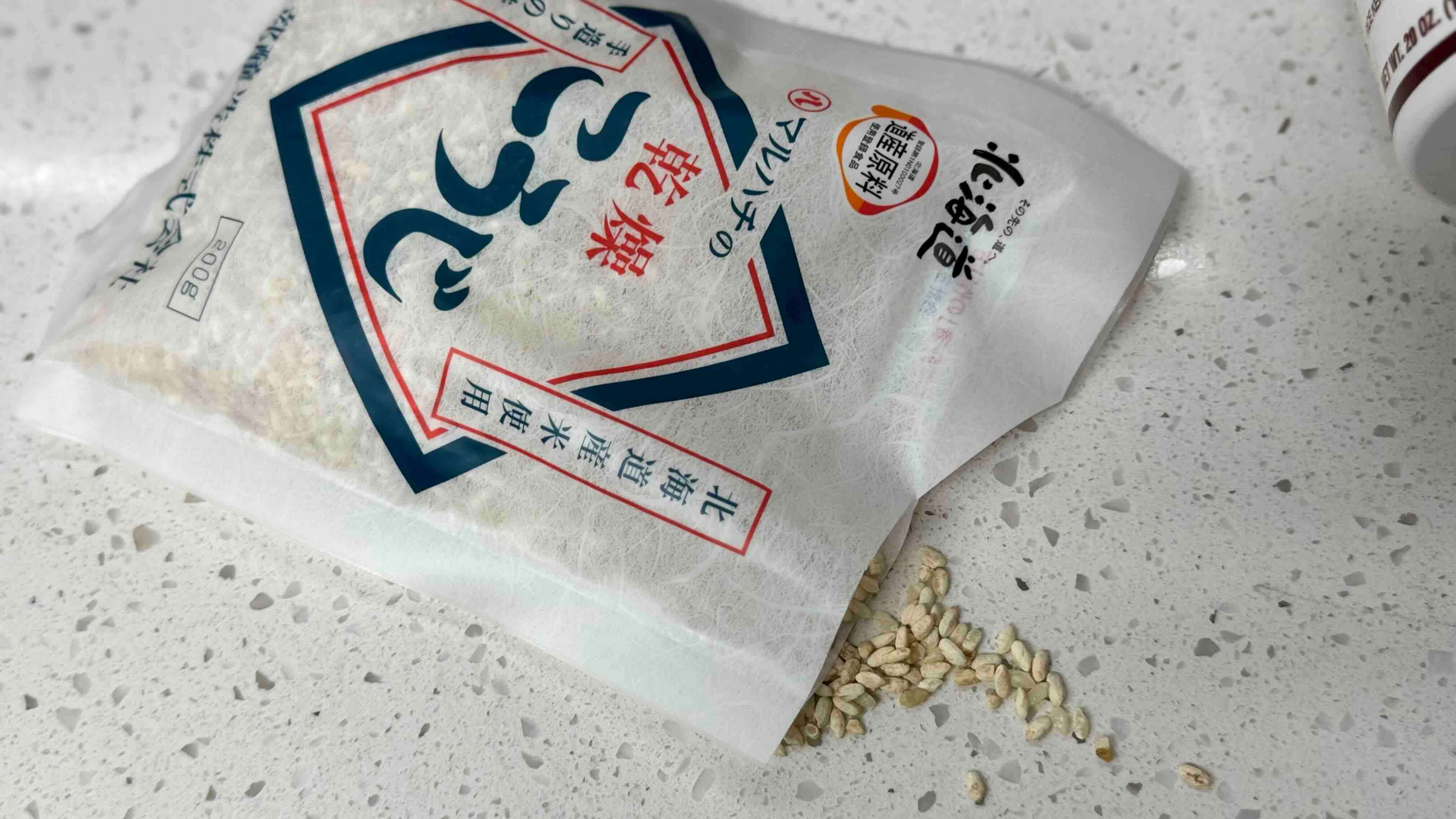
However, because fresh koji has a very short shelf life, Dried Koji (Kanso Koji) is much more accessible outside Japan—and it is what I rely on in my kitchen!
- Shelf Life: Dried koji is shelf-stable for months in your pantry without losing enzymatic potency.
- Ease of Use: You use dried koji the same way as fresh koji. It rehydrates naturally as you add water, soy sauce, or liquid to make your ferments.
CHEF-RECOMMENDED DRIED KOJI BRANDS
Not all dried koji perform identically—some brands produce a whiter, cleaner finish, while others offer a deeper, grain-forward aroma. Here are my favorite reliable brands to look for:

- Miyako Koji (Isesou): This is my top go-to for all-purpose koji recipes. It features a bright white finish that keeps light-colored condiments (like white miso or amakoji) looking clean and pristine. Where to buy: Easily available online via Amazon or Weee!
- Cold Mountain Dry Rice Koji: A classic staple in Japanese grocery stores across the US. It is reliably consistent, making it a great entry point if you prefer picking up your ingredients in person at your local Asian market. Where to buy: Available at local Japanese grocers or specialty online sellers like Chefshop.
- Hanamaruki Dry Koji (Hattori Rice): A fantastic quality dried malted rice that breaks down smoothly during fermentation. It works exceptionally well for both savory shio koji marinades and sweet amakoji bases. Where to buy: Specialty Japanese retailers like The Rice Factory NY.
ESSENTIAL KOJI CONDIMENTS YOU CAN MAKE AT HOME
Once you have a bag of dried rice koji, you can transform it into three basic kitchen condiments using simple pantry staples:
Shio Koji (Salt Koji)

A simple blend of rice koji, water, and sea salt fermented at room temperature for about a week. It serves as an all-purpose liquid salt replacement, meat tenderizer, and salad dressing base.
Learn how to make it: How to Make Shio Koji (塩麹)
Shoyu Koji (Soy Sauce Koji)

Replacing the water in shio koji with soy sauce produces a thick, intensely savory condiment packed with up to twice the umami depth of plain soy sauce.
Learn how to make it: How to Make Homemade Shoyu Koji (Soy Sauce Koji)
Ama-koji (Sweet Koji)

By holding rice koji and water at warm temperatures (130–140°F / 55–60°C) for several hours, the amylase enzymes maximize starch conversion into natural glucose. The resulting sweet puree can replace refined sugars in baking, drinks, and dressings.
Learn how to make it: Ama Koji (Sweet Koji): The Perfect All-Natural Sugar Substitute
DELICIOUS RECIPES TO MAKE WITH KOJI
✨ Ready to start cooking? Once your shio koji, shoyu koji, or amakoji is ready, try using it in these reader-favorite recipes:
🥗 Dressings, Butter & Condiments


🥩 Savory Mains & Meats


🍵 Drinks & Sweet Treats


HOW TO STORE KOJI
• Dried Rice Koji: Keeps in an airtight container in a cool, dark pantry for up to 6 months to 1 year. • Fresh Rice Koji: Keep refrigerated and use within 1 to 2 weeks, or freeze for up to 6 months. • Prepared Condiments (Shio/Shoyu/Ama-koji): Store in a clean glass jar in the refrigerator. Shio koji and shoyu koji last up to 6 months; amakoji lasts about 1 to 2 weeks refrigerated (or several months frozen).
FREQUENTLY ASKED QUESTIONS
Is koji safe to eat raw?
Yes, rice koji is safe to eat. However, it is quite dry and firm out of the bag, so it is best consumed after fermenting into liquid condiments like shio koji or amakoji.
Can I substitute miso for koji?
While miso contains koji, it is much saltier and more pungent. If a recipe calls for shio koji, substitute equal parts light miso thinned with a splash of water and a pinch of honey to mimic the enzymatic sweetness.
Where can I buy rice koji?
Dried rice koji is widely available in Japanese and Asian grocery stores, health food markets, and online retailers like Amazon, Weee!, Chefshop, and The Rice Factory NY.
