
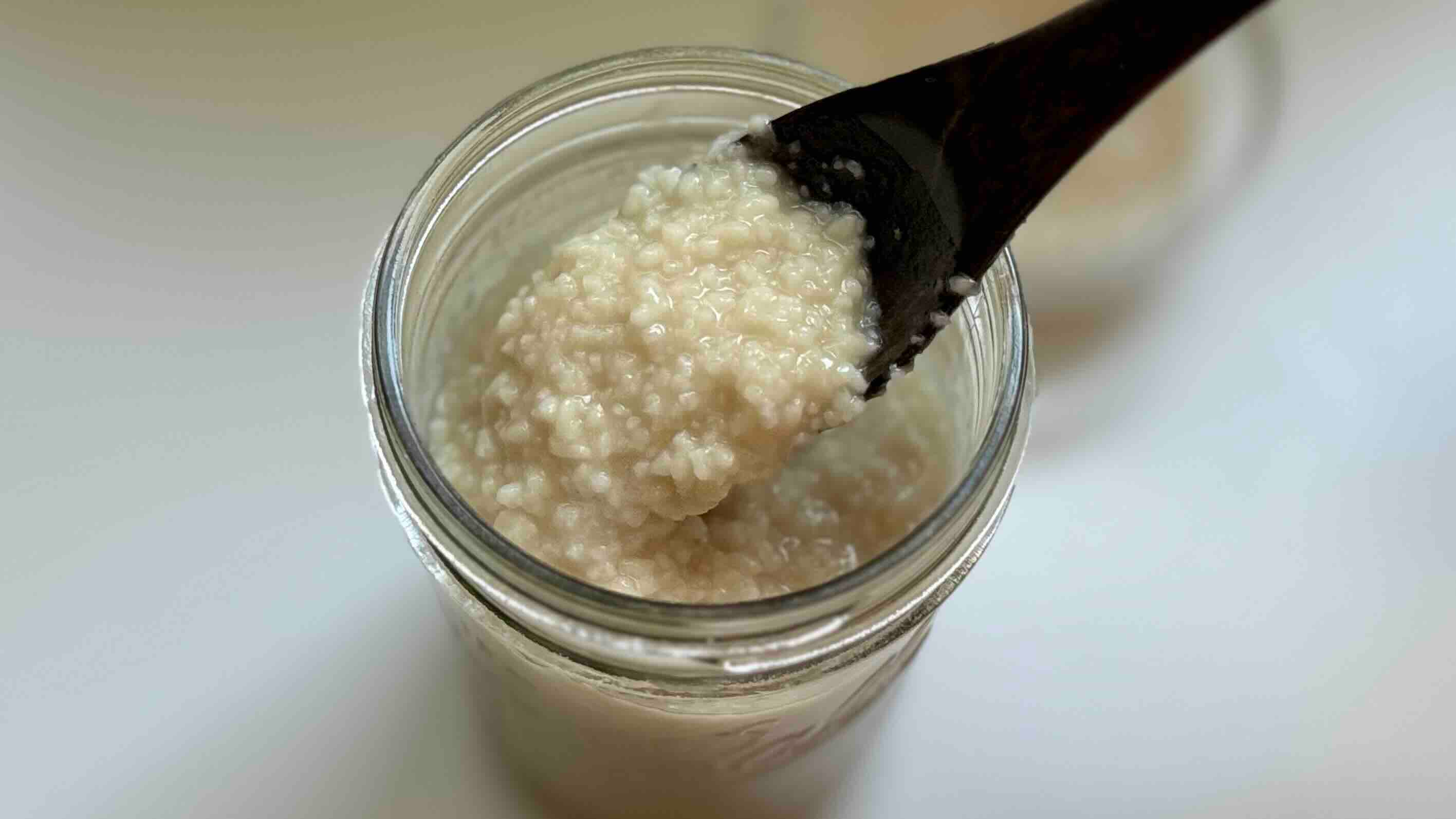
This multi-purpose umami bomb brings a mellow, golden sweetness and depth to your cooking. Think of it as a living seasoning that replaces ordinary salt while acting as a natural tenderizer for proteins. While it’s hard to imagine a Japanese kitchen without it today, Shio Koji only recently cemented its place as an everyday staple.
My own journey with it began around 2013 or 2014. Since then, it has secured a permanent, irreplaceable spot in my refrigerator. I use it just like regular salt, but it offers a much healthier profile, packed with natural amami (sweetness) and umami.
What is Shio Koji?

Shio Koji is a live, fermented condiment made from just three simple elements: rice koji, salt, and water. Rice koji is steamed rice that has been inoculated with Aspergillus oryzae (koji-kin), a beneficial culture responsible for traditional Japanese staples like miso, sake, and soy sauce. When combined with salt and water, the koji’s active enzymes break down starches into simple sugars and proteins into amino acids, creating a complex, sweet-and-savory flavor compound.

Brief History
Edo Period Roots: The foundation of Shio Koji traces back to the Edo Period (1603–1867), heavily inspired by Sabuhachi-zuke (三五八漬け)—a northern Japanese pickling bed using a ratio of Salt (3), Koji (5), and Rice (8). Historical texts show home cooks used it primarily to preserve fresh fish.
The 2007 Rebirth: For centuries, it remained a simple pickling bed. Its transformation into a modern, pourable condiment happened in 2007, when Madam Myoho Asari—the 9th-generation head of a 300-year-old koji brewery in Oita—re-engineered old family records to create a user-friendly, universal seasoning.
The Modern Boom: By 2011, a massive media wave swept Japan, branding Shio Koji as a “magical seasoning.” Today, it has evolved from a passing trend into an indispensable kitchen essential worldwide
Frequently Asked Questions (FAQ)
Q. Is it okay if my Shio Koji has an unusual smell (like alcohol or something sour) while fermenting?
A. Yes! A faint alcoholic or sour aroma is simply proof that the koji cultures and wild yeasts are actively working, so it is completely fine. However, if you notice a sharp, pungent, irritating smell or a rotten odor, harmful bacteria may have multiplied, and it is best to discard it.
Q. Why has the color turned slightly brownish?
A. As it ages, the amino acids and sugars in the koji naturally react, which can cause the mixture to turn yellow or a brownish-tan color. This does not affect the quality; it is a visual sign of deeply developed, mature umami.
Q. What are the criteria to know when Shio Koji is done (the signs of completion)?
A. It is ready when the koji grains become soft enough to easily crush between your fingertips, the sharp bite of the salt mellows out into a well-rounded flavor, and it gives off a sweet aroma reminiscent of bananas or chestnuts.
Q. How should I store it after it is finished?
A. Once the fermentation is complete, always move the jar to the refrigerator (or freezer) to halt the process. If left at room temperature, it will continue to ferment aggressively, making the flavor overly sour.
Q. What is the shelf life?
A. It will keep in the refrigerator for about 3 to 6 months. However, because the flavor and the strength of the enzymes will gradually decline over time, it is highly recommended to use it up on the earlier side.
Ingredients & Equipment for Shio Koji

This recipe is a good size for a standard 16 oz (1 pint) Mason jar, leaving the perfect amount of headspace for fermentation, but you can adjust the portion according to the size of your glass jar.
Equipment
- 16 oz (1 pint) wide-mouth glass jar (with a loose-fitting lid)
(Wide Mouth Mason Jars) - A mixing bowl and spatula (if you prefer to mix before jarring, or a long spoon if mixing directly)
- Boiling water for sterilizing your equipment
Chef’s Note on Food Safety: Before touching any ingredients, always sterilize your glass jar, mixing bowl, and spatula with boiling water, then let them air-dry completely. This simple step eliminates wild bacteria or residual oils, ensuring a completely clean environment for your koji to thrive.
Ingredients

- 180g Dried Rice Koji grains (widely available online and in Asian grocery stores across the U.S.)
- 63g Sea salt (coarse or fine, preferably non-iodized/mineral-rich)
- 234ml Water (filtered, or previously boiled and cooled to room temperature)
Step-by-Step How to Make Shio Koji
1. Sterilize Your Tools:

Before starting, sterilize your glass jar, mixing bowl, and spatula by rinsing them thoroughly with boiling water. Place them upside down on a clean towel to air-dry completely and cool to room temperature.
2. Prep the Koji:

Pour your dried koji grains directly into your cooled, sterilized mixing bowl (or directly into the jar). If the grains are clumped together, gently break them apart with clean hands before proceeding.
3. The Daily Ritual Stir:

Add the sea salt on top of the koji, pour in the water, and stir thoroughly with your sterilized spatula until the salt dissolves and every grain is hydrated. Transfer the mixture into your sterilized 16 oz glass jar.

My Everyday Mixing Tip: Once your ferment is sitting on the counter, it needs to be stirred daily. If you boil water for your morning tea or coffee every day, take that opportunity to scald and clean your mixing spoon with hot water first. It’s an effortless way to maintain daily cleanliness without extra dishes.
4. Countertop Fermentation:1 to 4 weeks.

Screw the lid on loosely (do not lock it down completely so natural fermentation gases can escape). Place the jar in a clean spot on your counter away from direct sunlight.
Once a day (or every two days), give it a good stir with your tea/coffee-scalded spoon. Over the first 48 hours, the koji will drink up the water. Don’t worry if it looks dry at first; it will naturally liquefy into a porridge-like consistency.
5. The Finish Line: Check consistency.

Your Shio Koji is ready when the rice grains are completely soft when rubbed between your fingers, and the mixture smells sweet and slightly fruity.
Winter: Takes about 3 to 4 weeks (keep it in a warmer room if possible).
Summer: Takes about 1 to 2 weeks.
How Can I Use Shio Koji?
Because Shio Koji is incredibly versatile, you can think of it as an upgraded form of regular salt.
- The Ultimate Marinade: Rub it onto chicken, pork, beef, or fish. The live enzymes break down tough protein strands, rendering the meat incredibly tender and juicy while bringing out a delicate sweetness and deep umami. Use the 10% weight rule: for every 100g of protein, use 10g of Shio Koji.
- Probiotic Dressings & Pickles: To keep the live probiotic benefits intact, enjoy it raw. Toss chopped cucumbers or radishes with a spoonful for an instant pickle, or use it to build vibrant raw dressings.
- The Sweet Side (Pastry & Dessert): Because of its natural, fermented sweetness, it plays beautifully with dairy. I even made a Shio Koji Ice Cream one summer for the restaurant I work at; it created a perfect, rich milky flavor with a natural umami-saltiness that was a massive hit all summer long.
When NOT to Use Shio Koji
While Shio Koji is incredibly versatile, its live, active enzymes mean there are a few dishes where it just won’t work the way you want it to. Because koji aggressively breaks down starches into simple sugars, it can completely destroy the texture of certain comfort foods.
Here are three dishes where you should skip the raw Shio Koji:
1. Onigiri (Rice Balls)
If you mix raw Shio Koji directly into cooked rice before shaping your onigiri, the enzymes will quickly start dismantling the rice starches. Within a short time, the rice loses its sticky bond, and your rice ball will completely crumble apart in your hands!
- The Fix: If you want that deep savory flavor in your rice, mix the Shio Koji into the raw rice before cooking it. The heat of the rice cooker will deactivate the enzymes while locking in the delicious umami.
2. Potato Salad
Adding Shio Koji to potato salad might sound like a great flavor hack, but if the salad sits for even a little while, the enzymes will liquefy the potatoes, turning your fluffy side dish into a watery, mushy mess. You lose all of that classic, comforting potato texture.
3. Croquettes (Korokke)
This is an absolute no-go. Just like with potato salad, the Shio Koji breaks down the potato base into a thin, watery puree inside the breading. When you drop them into hot oil, that trapped moisture causes severe, aggressive oil splattering. I actually burned myself trying this once—definitely learn from my mistake and keep the Shio Koji out of your croquette mixtures!

Easy Homemade Shio Koji (塩麹)
Ingredients
- 180 g Dried Koji
- 63 g Sea salt coarse or fine, preferably non-iodized
- 234 ml Water filtered
Instructions
- Before starting, rinse your 16 oz glass jar, a mixing bowl, and a spatula thoroughly with boiling water. Place them upside down on a clean towel to air-dry completely and cool to room temperature.

- Pour your dried koji grains directly into your cooled, sterilized mixing bowl (or directly into the jar). If the grains are clumped together, gently break them apart with clean hands before proceeding.

- Add the sea salt on top of the koji, pour in the water, and stir thoroughly with your sterilized spatula until the salt dissolves and every single grain is hydrated. Transfer the mixture into your sterilized 16 oz glass jar.

- Screw the lid on loosely (do not lock it down completely so natural fermentation gases can escape). Place the jar in a clean spot on your counter away from direct sunlight.

- Once a day (or every two days), give it a good stir. Chef’s Tip: If you boil water for morning tea or coffee, scald and clean your mixing spoon with hot water first to keep daily sanitation effortless. Over the first 48 hours, the koji will drink up the water—it will naturally liquefy back into a porridge-like consistency over time.

- Your Shio Koji is ready when the rice grains are completely soft when rubbed between your fingers, and the mixture smells sweet and slightly fruity (reminiscent of bananas or chestnuts). In the summer, it takes about 1 week; in the winter, it takes 10 days to 2 weeks.

Notes
- Storage: Once finished, seal the lid tightly and store in the refrigerator for 3 to 6 months. It can also be frozen for up to 6 months; due to the high salt content, it won’t freeze rock-solid, maintaining a scoopable, sorbet-like texture straight from the freezer.
- Texture Modification: If you prefer a smooth, creamy paste over a rustic, grainy texture, run the finished Shio Koji through a high-speed blender or food processor. This makes it seamless to integrate into delicate salad dressings or pastry elements.
- How to Use (The Golden Rule): Use as a 1:1 replacement for regular salt, or use the 10% weight rule for proteins. For every 100g of meat or fish, massage with 10g of Shio Koji and marinate for a few hours or overnight before cooking.
- Starch Warning: Do not use raw Shio Koji in fresh onigiri (rice balls), potato salad, or croquette fillings. The active enzymes will break down the starches, turning your dishes watery and crumbling, and can cause hazardous oil splattering when frying.
