
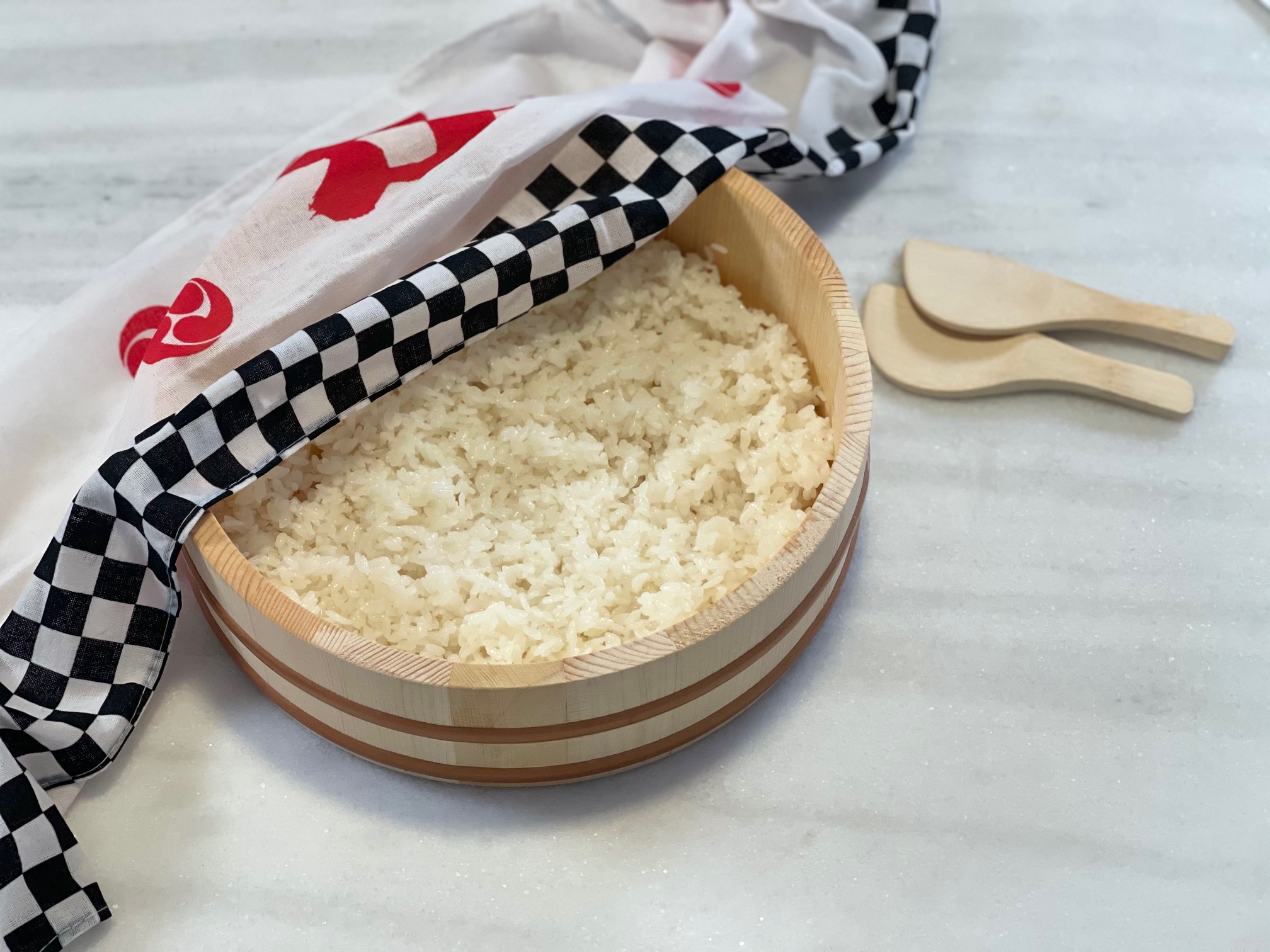
Mastering sushi at home starts with one fundamental element: the rice. In Japan, seasoned sushi rice is known as sushimeshi (寿司飯) or sumeshi (酢飯). While it looks simple, every professional sushi restaurant and Japanese family guards their own signature recipe.
The secret lies in balancing the quality of the grain, the cooking technique, and the precise ratio of vinegar, sugar, and salt. Whether you prefer a slightly sweeter profile or a sharp, traditional finish, learning how to make authentic sushi rice will completely transform your home-cooked Japanese meals.
What is Sushi Rice (Sumeshi)?

Authentic sushi rice is not just plain steamed rice; it is premium short-grain Japanese rice seasoned with a cooked vinegar mixture called awasezu.
Depending on the style of the restaurant, sushi chefs choose different types of vinegar:
- White Rice Vinegar (Komezu): The most common choice for a clean, bright, and classic flavor profile.
- Red Vinegar (Akazu): Made from sake lees and deeply aged, this is traditionally used in high-end Edomae style sushi restaurants in Tokyo and New York for a rich, complex umami finish.
My mother’s family recipe leans a little bit on the sweeter side, which is wonderful for home cooking, but you can easily adjust the seasoning to match your personal preference.
Which Rice Should I Use for Sushi?

When making sumeshi, you must always use short-grain Japanese rice. This specific variety contains the perfect balance of unique starches. Consequently, it gives you that iconic, sticky-yet-distinct texture. Choosing the right grain is a lot like choosing coffee beans. Therefore, the exact variety matters.
- Koshihikari: This is one of the most popular premium short-grain varieties. In fact, it is highly favored by professional sushi chefs. They love it for its sweet flavor and excellent chew.
- The “Shinmai” (New Crop) Exception: In Japan, we celebrate the autumn harvest of shinmai (new crop rice) for its incredible fragrance. However, most sushi restaurants actually avoid using it. This is because new crop rice contains a very high moisture content. As a result, it easily becomes too sticky and mushy for sushi. Older crops are slightly drier. For this reason, they absorb the vinegar seasoning perfectly without losing their structure.

Chef’s Tip: To get the best results, always source high-quality grains. Personally, I love ordering my rice from the rice factory New York. Their overall quality and curation of Japanese rice varieties are absolutely terrific.
Understanding the Japanese Rice Measuring Cup (“Gō”)

If you use an electric Japanese rice cooker (like a Zojirushi or Cuckoo), you have likely noticed the small plastic measuring cup that comes with it.
In Japan, rice is measured using a traditional unit called gō (合).
- 1 Japanese Rice Cup (1 Gō) = 180 ml
- 1 Standard U.S. Cup = 240 ml
Because a Japanese rice cup is smaller than a standard U.S. cup, it is incredibly important to use the correct cup to match the water lines inside your rice cooker bowl. If you are cooking your rice in a regular pot on the stovetop, you can use standard U.S. measuring cups—just ensure you maintain the strict liquid-to-rice ratio.
The Golden Ratio for Sushi Rice

While regular steamed rice typically requires a 1:1 ratio of rice to water, sushi rice requires slightly less water (1 : 0.9). We purposely cook the grains a bit firmer (al dente) so that they have room to absorb the liquid sushi vinegar later without becoming sloppy.
The Secret to Umami-Infused Sushi Vinegar

To take your sumeshi to a professional restaurant level, prepare your sushi vinegar (awasezu) ahead of time.
Steep a small piece of kombu (dried kelp) in the vinegar mixture while it is still warm, then let it sit overnight. This slow infusion coaxes out the natural glutamates from the kelp, adding a layer of savory depth and umami. I learned this invaluable tip from a talented sushi chef at a renowned restaurant here in New York City, and it completely elevates the final dish.

Authentic Japanese Sushi Rice (Sumeshi)
Ingredients
For the Rice
- 2 cups Uncooked short-grain Japanese rice (360ml)(such as Koshihikari)
- 1.8 cups Water (324ml)(Or adjust to a 1 : 0.9 ratio if using standard U.S. cups)
- 1 piece Kombu / Dried Kelp (about 3 inches / 7 cm)
For the Sushi Vinegar (Awasezu)
- 4 tbsp Rice vinegar (60 ml)
- 2 tbsp Granulated sugar (30 g )
- 1 tbsp Fine sea salt (5 g )
Instructions
- Wash and Rinse the Rice: Place the uncooked rice in a large bowl and cover with cold water. Gently swirl the rice with your hand in a circular motion, then pour off the cloudy water. Repeat this process 3 to 4 times until the water runs almost completely clear.

- Drain: Pour the washed rice into a fine-mesh strainer and let it sit to drain all excess water completely for 10–15 minutes.

- Soak and Cook: Transfer the drained rice and measured water to your rice cooker pot or a heavy-bottomed stovetop saucepan. Wipe the piece of kombu with a damp cloth to clean it, and place it directly on top of the rice. Let the rice soak in the water for 20 to 30 minutes before starting the cooker—this step ensures the grains hydrate evenly. Turn on your rice cooker using the regular or "Sushi Rice" setting.

- Dissolve the Sushi Vinegar: While the rice cooks, make the seasoning. In a small saucepan over low heat, combine the rice vinegar, sugar, and salt. Stir gently until the sugar and salt are completely dissolved. Do not let the mixture boil. Remove from heat and let it cool.

- (Chef's Tip: For maximum umami, leave a small piece of kelp in the warm vinegar overnight to infuse)

- Transfer the Hot Rice: As soon as the rice finishes cooking, immediately remove and discard the piece of kombu. Transfer the piping-hot rice into a moistened hangiri (wooden sushi tub) or a large, wide glass/ceramic bowl. Do not let the rice cool before adding vinegar, or it will turn sloppy.

- Season and Cut: Pour the cooled sushi vinegar evenly over the hot rice. Using a rice paddle (shamoji), use a gentle cutting and folding motion to separate the grains and distribute the vinegar evenly. Avoid stirring or mashing the rice, which makes it gummy.

- Fan and Cool: While cutting the rice, use a hand fan or a piece of cardboard to fan the rice. This rapid cooling creates a beautiful, glossy shine on the grains. Keep mixing gently until the rice cools down to roughly human body temperature.
- Cover and Rest: Gather the rice to one side of the bowl and cover it tightly with a clean, damp kitchen towel or paper towel to prevent it from drying out. Keep at room temperature until ready to assemble your sushi.

Notes
- The Golden Ratio: My family’s traditional ratio for home-cooked sushi vinegar is 2 : 1 : 0.5 (Vinegar : Sugar : Salt). If you prefer a sharper, less sweet sushi rice common in high-end Tokyo or New York sushi restaurants, feel free to reduce the sugar slightly to fit your taste.
- Equipment Warning: Try to avoid using a metal bowl to season your rice, as the strong acidity in the rice vinegar can react with the metal and impart an unpleasant metallic taste. A wooden, glass, or ceramic bowl works best.
- Storage Note: Never put sushi rice in the refrigerator before using it. The cold temperatures cause the starch molecules to crystallize, which turns the rice hard, dry, and unusable.

3 comments
[…] https://kitsunegolden.com/sushi-rice-the-seacret-to-perfect-sushi-rice/ […]
[…] Sushi Rice: the secret to perfect sushi rice […]
[…] Kitsune Golden (tier3) […]