
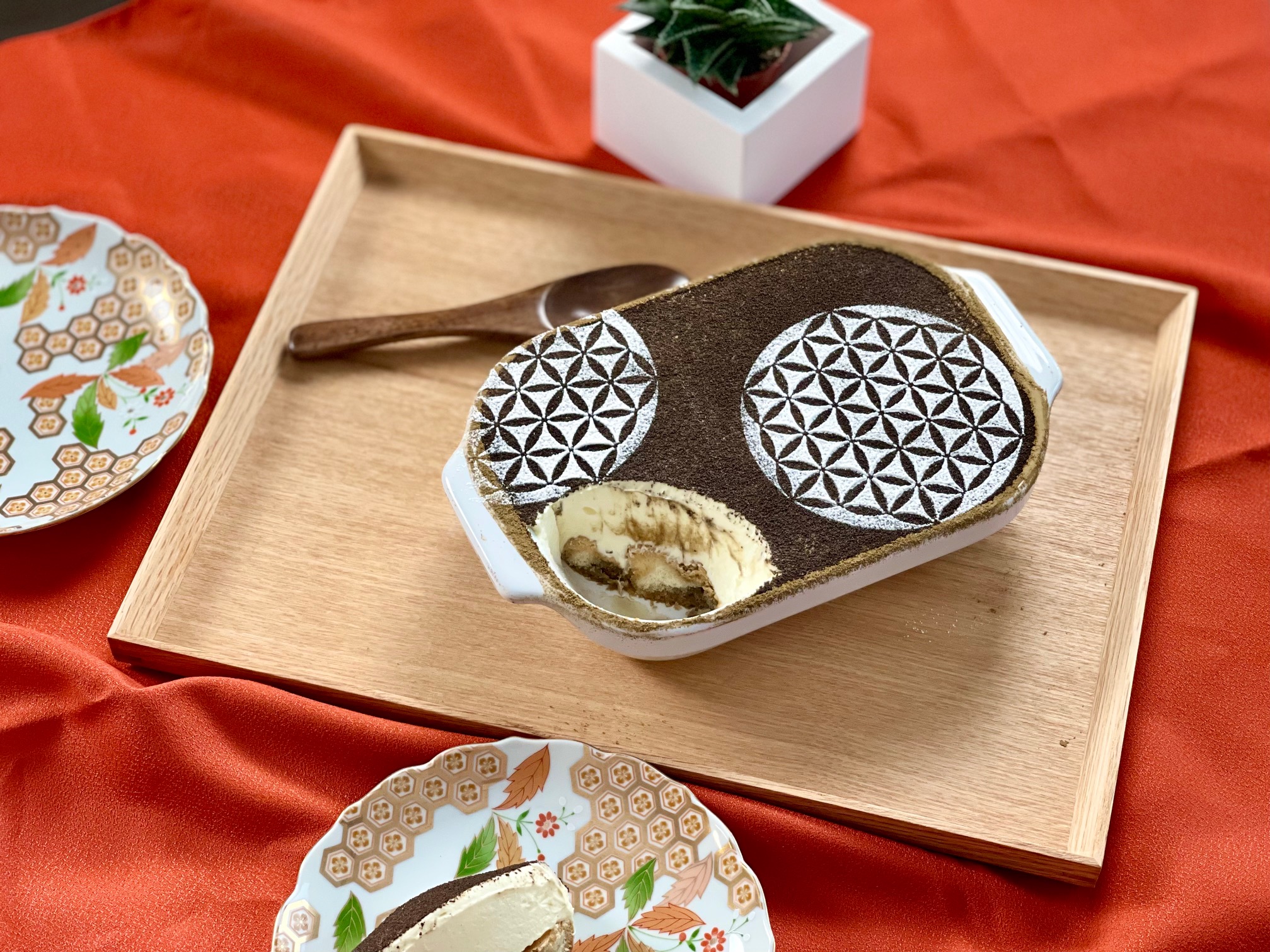

If you love the creamy, luxurious texture of classic Italian tiramisu but want a unique, modern twist, this Hojicha Tiramisu is the ultimate dessert.
While matcha tiramisu has taken the pastry world by storm, not everyone is a fan of matcha’s intense, grassy bitterness. Enter hojicha: a roasted Japanese green tea that brings a deeply comforting, nutty, and almost caramel-like flavor to the dessert table. It is incredibly smooth, naturally low in caffeine, and pairs beautifully with rich mascarpone cheese.

What is Hojicha? (And Why It’s Perfect for Tiramisu)

Hojicha is made by roasting green tea leaves at a high temperature. This roasting process transforms the leaves from vibrant green to a deep reddish-brown, entirely changing the flavor profile.
While classic green teas are prized for their fresh, vegetal notes, hojicha tastes like a cozy autumn afternoon. It offers a pleasant nutty roast aroma with undertones of cocoa and caramel. Because the roasting process dissipates much of the tea’s natural tannins and caffeine, it is incredibly mellow—making this hojicha dessert the perfect sweet treat for late-night dinner parties when you want to avoid coffee jitters..
The Rise of Hojicha in the U.S.


Years ago, finding high-quality hojicha powder in the United States was a massive challenge for pastry chefs. While Japan was experiencing a major hojicha boom—with everything from Hojicha Latte Ice Cream to specialty coffee house drinks taking over Tokyo—those of us baking in the U.S. had to get creative. I used to use a coffee mill and a fine mesh strainer to grind whole hojicha tea leaves into a DIY powder!
While that method worked beautifully for rustic baked goods like hojicha financiers, chiffon cakes, or shortbread cookies, it was never quite fine enough to create that flawless, velvety dusted top required for a show-stopping tiramisu. Thankfully, premium, micro-ground hojicha powder is now widely available online and in specialty markets.
Professional Pastry Chef Tips for the Perfect Tiramisu

Tiramisu is a simple layered dessert, but executing the textures perfectly requires a little bit of pastry science. Here are three crucial secrets to success:

1. Guard Against Over-Mixing Your Mascarpone
Mascarpone is a luxurious, high-fat Italian cream cheese. Because its fat content is exceptionally high, it is highly unstable and will split or curdle far more easily than heavy whipping cream or standard cream cheese if over-worked.
Chef’s Choice: Always soften your mascarpone gently with a rubber spatula before folding in your elements. Avoid using an electric mixer for this step. Over the years in my professional pastry career, I’ve tested dozens of brands, and Polenghi Mascarpone remains my absolute favorite for its unmatched stability and silky mouthfeel.

2. Master the Sabayon (Egg Yolk Base)
To create a safe, stable, and airy cream layer, we cook the egg yolks and sugar over a double boiler (bain-marie). The gentle, indirect steam thickens the yolks into rich, pale yellow ribbons. Keep your whisk moving constantly to prevent the edges from turning into scrambled eggs!

3. Use Non-Melt Powder Sugar for Decoration
Dusting deep-brown hojicha powder over the top layer of cream gives this dessert an elegantly rustic look. If you want to elevate the presentation using a pastry stencil and powdered sugar, do not use regular confectioners’ sugar. The moisture from the mascarpone cream will absorb standard sugar within minutes, causing your beautiful design to melt away.
Instead, look for non-melt powdered sugar (also sold as snow sugar, donut sugar, or sucre glace imperméable). It is specially coated to resist moisture, keeping your stenciled patterns crisp and white overnight.

Hojicha Tiramisu
Ingredients
Hojicha Syrup
- 10 g Hojicha powder
- 26 g Brown sugar
- 120 ml Hot water
- 15 ml Dark rum Optional
- 1 package Ladyfingers Savoiardi
Mascarpone Cream
- 250 g Mascarpone cheese room temperature
- 43 g Egg yolks 2 learge eggs
- 67 g Granulated sugar
- 180 ml Heavy whipping cream cold
Decoration
- 15 g Hojicha powder for dusting
- 10 g Non-melt powder sugar snow sugar, optional for stencils
Instructions
- In a medium bowl, whisk together the brown sugar and hojicha powder. Gradually pour in the hot water while whisking continuously to ensure a completely smooth mixture. Stir in the dark rum if using, and let the syrup cool down completely.

- Add the room-temperature mascarpone to a medium bowl. Smooth it gently using a rubber spatula just until pliable. Crucial: Do not over-mix, or the high fat content may cause the cheese to break and split.

- Create a double boiler by setting a heatproof bowl over a pot of gently simmering water (ensure the bottom of the bowl does not touch the water). Whisk the egg yolks and sugar continuously over the steam until the mixture expands, thickens slightly, and turns a light yellow color. Remove from heat immediately to prevent scrambling.

- Slowly pour the warm egg mixture into the softened mascarpone and whisk gently just until smooth and fully incorporated.

- Transfer the bowl to the refrigerator to cool while you whip the cream.

- In a separate, cold bowl, pour the chilled heavy cream. Use an electric hand mixer or stand mixer to whip the cream until soft, pillowy peaks appear.

- Retrieve the mascarpone mixture from the refrigerator. Using a rubber spatula, gently fold the whipped cream into the cheese base in two separate additions to keep the texture light and airy.

- Briefly dip both sides of the ladyfingers into the cooled hojicha syrup—moist, but not soggy. Arrange them in a single, tight layer at the bottom of a 5×7-inch dish, leaving no gaps.

- Pour the mascarpone cream mixture over the layer of dipped ladyfingers.

- Smooth out the surface completely flat using an offset spatula.

- Use a fine mesh strainer to generously dust the entire top with pure hojicha powder. Cover and chill in the refrigerator for at least 3 hours (or overnight to allow the flavors to deepen).

- Before serving, decorate with non-melt powder sugar if desired.

Notes
- Mascarpone Stability: Mascarpone has an extremely high fat content, meaning it can split far easier than standard heavy cream or cream cheese if it’s over-worked. Always temper/soften it gently with a spatula rather than an electric mixer. My ultimate professional brand recommendation for maximum stability and silkiness is Polenghi Mascarpone.
- Why Non-Melt Sugar? If you are using a pastry stencil to add a crisp design over your dark hojicha layer, do not use regular confectioners’ sugar. The moisture from the cream layer will dissolve it within minutes. Look for non-melt powder sugar (also sold as donut sugar or snow sugar), which is moisture-resistant and will keep your beautiful designs pristine overnight.
- Hojicha vs Matcha: Hojicha is made from roasted green tea leaves, giving it a comforting, nutty, caramel-like aroma with far less bitterness and significantly less caffeine and tannin than traditional matcha or espresso. It makes this dessert perfect for evening enjoyment!
